
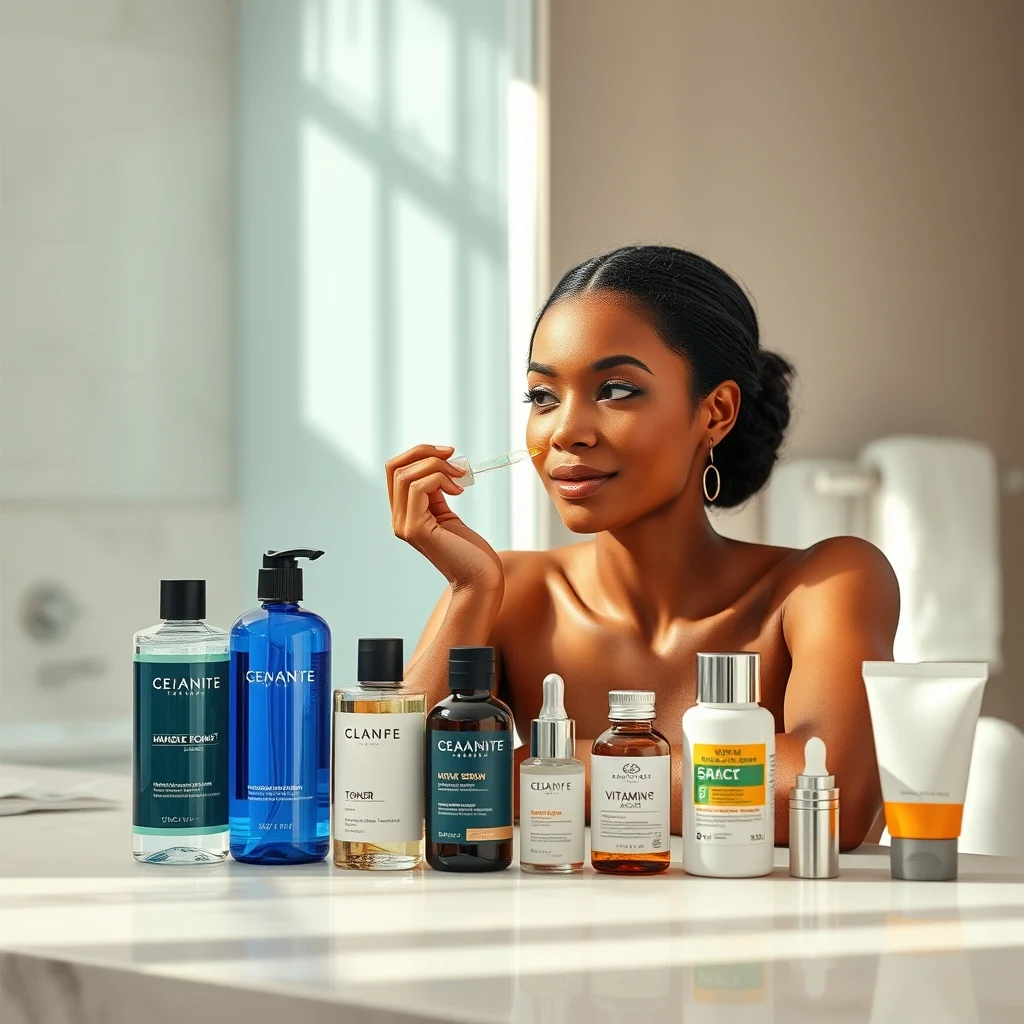
Imagine waking up to skin so radiant, it looks like you’ve just stepped out of a luxury spa—every single day. The secret? It’s not just about the products you use, but how you use them. In the world of beauty & skincare, layering is the unsung hero that transforms a basic routine into a powerhouse regimen. Whether you’re a skincare novice or a seasoned enthusiast, understanding the art of layering can elevate your complexion from dull to dazzling.
The Science Behind Layering in Beauty & Skincare
Layering isn’t just about piling on products; it’s a strategic approach to ensure each ingredient penetrates your skin effectively. The order in which you apply your skincare essentials can make or break their performance. For instance, water-based serums should always precede oil-based treatments to allow proper absorption. Think of your skin as a sponge—it absorbs moisture best when it’s damp, not when it’s already saturated with heavier formulas.
Dermatologists agree that the key to maximizing efficacy lies in understanding your skin’s natural barrier. When you layer products correctly, you’re not just addressing surface-level concerns; you’re nourishing your skin at a cellular level. This method also minimizes waste, ensuring you get the most out of every drop of your favorite serums, moisturizers, and treatments.
Step-by-Step Guide to Layering Your Skincare Products
1. Start with a Clean Canvas
Before you even think about layering, your skin needs to be squeaky clean. Use a gentle cleanser suited to your skin type to remove impurities without stripping away natural oils. Double cleansing—first with an oil-based cleanser, followed by a water-based one—is a game-changer for those who wear makeup or sunscreen daily. This step ensures that no residue blocks your pores, allowing the subsequent products to work their magic.
2. Prep with Toner or Essence
Toners and essences are often overlooked, but they play a crucial role in balancing your skin’s pH and prepping it for better absorption. Opt for alcohol-free formulas that hydrate and soothe, like those infused with hyaluronic acid or rose water. Applying a toner or essence with your hands (instead of a cotton pad) helps retain moisture and sets the stage for the next layers.
3. Apply Targeted Treatments
This is where the real transformation happens. Serums packed with active ingredients—like vitamin C for brightening, niacinamide for texture, or retinol for anti-aging—should be applied next. Since these treatments are lightweight, they penetrate deeply into the skin. For best results, give each serum a minute or two to absorb before moving on to the next step.
4. Lock in Moisture
Moisturizers act as a sealant, locking in all the goodness from your serums and treatments. Choose a formula that aligns with your skin’s needs—gel-based for oily skin, cream-based for dry skin, or a hybrid for combination skin. Don’t forget your neck and décolletage; these areas are often neglected but show signs of aging just as much as your face.
5. Don’t Skip the Sunscreen
No beauty & skincare routine is complete without sunscreen. UV rays are the number one cause of premature aging, dark spots, and even skin cancer. Apply a broad-spectrum SPF 30 or higher as the final step in your morning routine, even on cloudy days. If you’re using a physical sunscreen, it should always go on last to avoid diluting its protective properties.
Common Layering Mistakes to Avoid
Even the most well-intentioned skincare enthusiasts can fall into layering traps. One of the biggest mistakes is applying products in the wrong order, which can render them ineffective. For example, using a heavy cream before a lightweight serum will prevent the serum from penetrating the skin. Another common error is overloading your skin with too many active ingredients at once, leading to irritation or breakouts.
Timing also matters. Rushing through your routine doesn’t give your skin enough time to absorb each product. Aim to wait at least 30 seconds between layers to allow your skin to fully drink in the benefits. Lastly, don’t forget to listen to your skin. If a product stings, burns, or causes redness, it might not be compatible with your current regimen.
Customizing Your Layering Routine for Different Skin Types
Oily Skin
If your skin tends to be oily, focus on lightweight, non-comedogenic products that won’t clog your pores. Start with a foaming cleanser, followed by a hydrating toner. Opt for water-based serums with ingredients like salicylic acid or tea tree oil to control excess oil. Finish with a mattifying moisturizer and a gel-based sunscreen to keep shine at bay.
Dry Skin
Dry skin craves hydration and nourishment. Begin with a creamy cleanser, then layer on a hydrating essence or serum packed with hyaluronic acid. Follow up with a rich moisturizer and seal it all in with a facial oil. In the morning, don’t forget a sunscreen with moisturizing properties to prevent further dryness.
Sensitive Skin
Sensitive skin requires a gentle touch. Stick to fragrance-free, hypoallergenic products and avoid over-exfoliating. Start with a mild cleanser, followed by a soothing toner with ingredients like aloe vera or chamomile. Use calming serums with centella asiatica or colloidal oatmeal, and finish with a barrier-repairing moisturizer. Always patch-test new products before incorporating them into your routine.
Nighttime vs. Daytime Layering: What’s the Difference?
Your skin’s needs change from day to night, and so should your layering strategy. During the day, focus on protection and hydration. Sunscreen is non-negotiable, and lightweight serums can help defend against environmental stressors like pollution. At night, your skin shifts into repair mode, making it the perfect time to use richer treatments like retinol or peptides. These ingredients work best while you sleep, helping to boost collagen production and cell turnover.
Another key difference is the use of occlusives. Nighttime is ideal for thicker creams or oils that create a protective barrier, locking in moisture and allowing your skin to regenerate. In the morning, opt for lighter formulas that won’t interfere with makeup application or leave a greasy residue.
Mastering the art of layering in your beauty & skincare routine isn’t just about following a set of rules—it’s about understanding your skin’s unique needs and adapting as they change. Start with the basics, pay attention to how your skin responds, and don’t be afraid to experiment. With the right approach, you’ll unlock a complexion that’s not just healthy, but truly glowing with confidence. The best part? You don’t need a cabinet full of products—just the right ones, applied in the right order, at the right time.
You may also like
-
The Multidimensional Framework of **Precision Mens Haircut**: A Data-Driven Analysis of Artistry, Industry Evolution, and Consumer Demand in 2024
-
The Systematic Advancement of Premium Barbering Tools: A Multidimensional Analysis of Innovation, Industry Standards, and Consumer Demand
-
The Groomed Mind: Behavioral Science, Societal Feedback, and the Strategic Calibration of Men’s Confidence and Presentation Across Contexts
-
The Comprehensive Framework of **Alpha Grooming Rituals**: Industry Standards, Technological Integration, and the Cultural Shift Toward Masculine Self-Care in 2024
-
The Strategic Blueprint of Men’s Wardrobe Intentionality: A Multidimensional Analysis of Style, Confidence, and Societal Perception in Modern Contexts