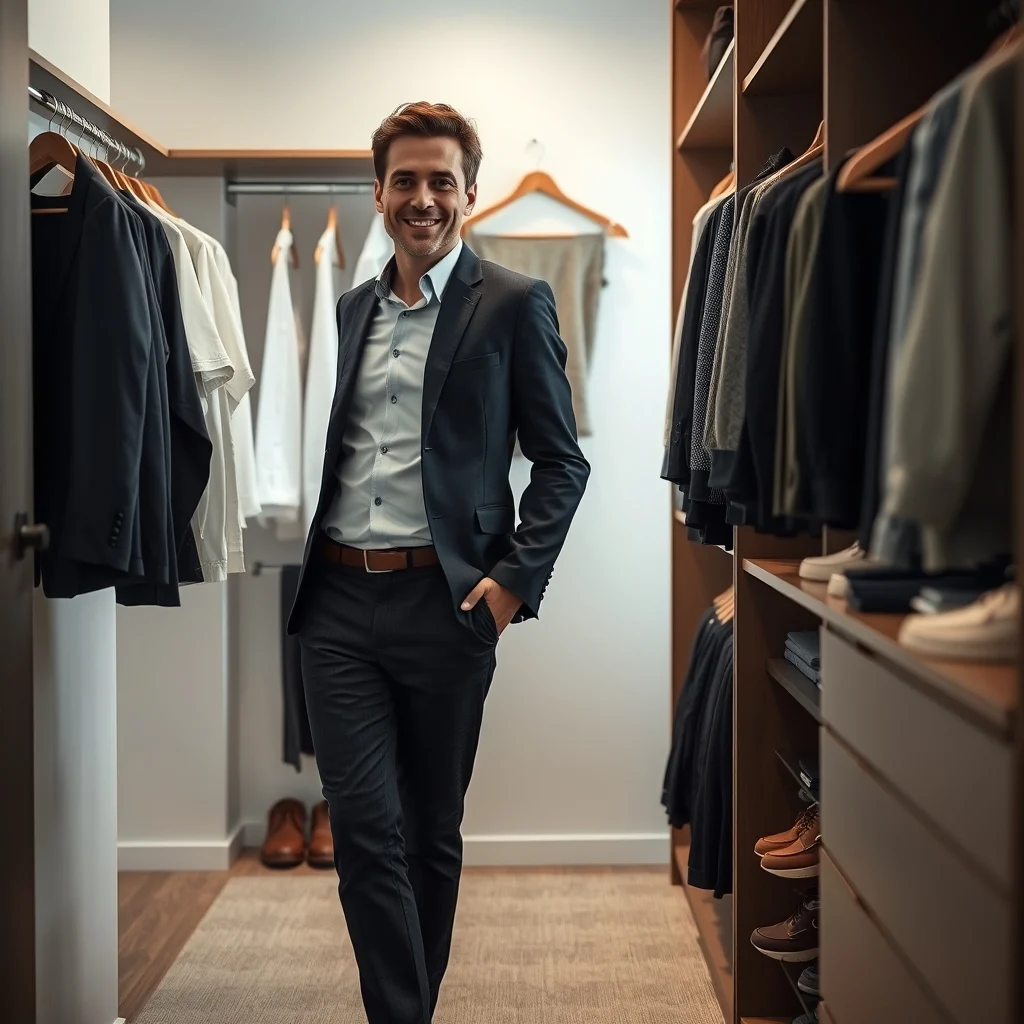
In 2024, men’s personal style has evolved beyond fleeting trends into a deliberate practice of wardrobe curation, functional aesthetics, and self-assurance. The shift reflects broader cultural movements toward individuality, sustainability, and efficiency in daily life. Men across demographics—from corporate professionals to creative freelancers—are investing time and resources into developing a signature style that aligns with their lifestyle, values, and professional demands. This transformation is not confined to metropolitan fashion hubs; it spans suburban communities, remote workspaces, and global digital platforms where style influencers and retail analysts document the rise of intentional dressing.
The concept of “style that works” encompasses more than clothing selection. It integrates psychological benefits, such as increased confidence and perceived competence, with practical outcomes like time savings, cost efficiency, and environmental responsibility. According to a 2023 report by McKinsey & Company, 68% of men aged 25–45 now consider wardrobe versatility a top priority when purchasing apparel, up from 42% in 2018. This data underscores a fundamental change: men are no longer dressing for singular occasions but for layered, adaptable scenarios—from morning meetings to evening social events—without sacrificing authenticity or comfort.
The Evolution of Men’s Wardrobe Building: A Historical Context
Men’s fashion has long been governed by rigid codes—military uniforms, corporate dress codes, and class-based sartorial expectations. The 20th century saw the rise of the suit as a symbol of professionalism, standardized by brands like Brooks Brothers and Savile Row tailors. However, the late 1990s and early 2000s introduced casualization, driven by Silicon Valley’s tech culture and the rise of athleisure. By 2010, the lines between formal and casual blurred, giving way to a hybrid aesthetic known as “smart casual.”
Key milestones in this evolution include:
- 1950s–1960s: The Ivy League look popularized by J. Press and Ralph Lauren, emphasizing natural shoulders, button-down collars, and wool trousers.
- 1980s: Power dressing dominated corporate America, with padded shoulders, double-breasted suits, and bold ties symbolizing authority.
- 2000s: The rise of streetwear brands like Supreme and A Bathing Ape, merging urban culture with high fashion.
- 2015–present: The minimalist movement, led by brands such as COS and Uniqlo, prioritizing neutral palettes, modular layering, and sustainable materials.
Today, the average man’s wardrobe is smaller but more versatile. A 2022 survey by ThredUp found that men own 20% fewer clothing items than they did in 2010, yet report higher satisfaction with their appearance. This shift aligns with the growing popularity of capsule wardrobes—curated collections of 30–50 essential pieces designed to mix and match effortlessly.
How Intentional Style Translates to Confidence
The link between appearance and confidence is well-documented in psychological research. A 2021 study published in the Journal of Experimental Social Psychology found that individuals who dressed in clothing they associated with competence performed better on cognitive tasks and reported higher self-efficacy. For men, this effect is amplified in professional settings. A survey by LinkedIn in 2023 revealed that 72% of hiring managers form a first impression within the first 30 seconds of meeting a candidate, with attire playing a decisive role in 63% of cases.
“Clothing is a nonverbal communication tool,” says Dr. Karen Pine, professor of psychology at the University of Hertfordshire and author of Mind What You Wear: The Psychology of Fashion. “When a man wears an outfit that feels authentic to his identity, it reduces cognitive dissonance and frees mental energy for other tasks. The confidence boost isn’t about vanity—it’s about alignment.”
This principle extends beyond the workplace. Men who invest in personal style report improved social interactions, dating success, and even physical posture. A 2022 study by the American Psychological Association found that individuals who dressed intentionally stood taller, made more eye contact, and spoke with greater clarity during social interactions.
Building a Functional Wardrobe: The Mechanics of Style
Constructing a wardrobe that works requires a systematic approach. Experts recommend starting with a color palette of 3–5 core hues that complement the wearer’s skin tone and can be mixed across seasons. Neutral bases—black, navy, gray, beige—form the foundation, while accent colors add personality. Fabric selection is equally critical; breathable, durable materials like merino wool, cotton twill, and technical synthetics ensure longevity and comfort.
A typical capsule wardrobe for a professional man might include:
| Category | Essential Items | Quantity |
|---|---|---|
| Tops | Dress shirts, polo shirts, sweaters, T-shirts | 8–10 |
| Bottoms | Chinos, dress pants, jeans, shorts | 5–7 |
| Outerwear | Blazer, overcoat, bomber jacket, raincoat | 3–4 |
| Footwear | Oxfords, loafers, sneakers, boots | 4–5 |
| Accessories | Belt, watch, scarf, bag | 3–5 |
“The key is modularity,” explains Daniel Lee, head of menswear design at COS. “Each piece should serve at least three functions. A navy blazer, for example, can be dressed up with a tie for a client meeting, paired with chinos for a dinner date, or worn over a T-shirt for a casual brunch. That’s the power of intentional design.”
Retailers have responded to this demand by offering customization services. Brands like Indochino and SuitSupply provide made-to-measure suits starting at $499, while companies like Stitch Fix and Trunk Club use algorithms to curate personalized selections based on lifestyle, budget, and fit preferences. The global menswear market, valued at $450 billion in 2023, is projected to grow at a compound annual rate of 4.5% through 2030, driven largely by this shift toward personalized, functional style.
Sustainability and Cost Efficiency: The Hidden Benefits
Intentional wardrobe building also addresses two critical concerns: environmental impact and financial sustainability. The fashion industry accounts for 10% of global carbon emissions, more than international flights and maritime shipping combined. Fast fashion, in particular, has been criticized for its disposable mentality, with the average garment worn only seven times before disposal.
Men who adopt a capsule wardrobe approach reduce their environmental footprint significantly. A 2023 report by the Ellen MacArthur Foundation found that extending the life of a garment by just nine months reduces its carbon, water, and waste footprint by 20–30%. “Quality over quantity is no longer a luxury—it’s a necessity,” says Orsola de Castro, co-founder of Fashion Revolution. “Investing in well-made, timeless pieces isn’t just good for your wallet; it’s good for the planet.”
Financially, the benefits are equally compelling. While the upfront cost of a capsule wardrobe may be higher, the long-term savings are substantial. A study by the ThredUp Resale Report 2023 found that men who adopted a minimalist wardrobe saved an average of $1,200 annually by reducing impulse purchases and extending the lifespan of their clothing. Over a decade, that amounts to $12,000—enough to fund a significant investment, a vacation, or further education.
Stakeholder Perspectives: Who Benefits and Who Resists?
The movement toward intentional style has created a diverse ecosystem of stakeholders, each with distinct interests and perspectives.
Retailers: Brands like Uniqlo, Everlane, and Patagonia have thrived by emphasizing quality, transparency, and versatility. “Our customers aren’t looking for trends,” says Tadashi Yanai, CEO of Fast Retailing, Uniqlo’s parent company. “They want clothing that works for their lives, not the other way around.” Conversely, fast fashion giants like H&M and Zara have struggled to adapt, with H&M reporting a 12% decline in menswear sales in 2023.
Consumers: While younger men (ages 18–34) are the most likely to embrace capsule wardrobes, older demographics are catching on. A 2023 survey by GQ found that 45% of men over 50 have decluttered their closets in the past two years, citing a desire to simplify their lives. However, resistance persists among those who view fashion as a form of self-expression tied to novelty. “I get bored wearing the same things,” says Marcus Chen, a 28-year-old graphic designer. “For me, style is about experimentation, not efficiency.”
Environmental Advocates: Organizations like the Sustainable Apparel Coalition and Fashion Revolution support the shift toward intentional dressing but caution against greenwashing. “It’s not enough to buy fewer clothes,” says de Castro. “Brands must also commit to ethical labor practices, circular economy models, and transparent supply chains.”
Psychologists: While the confidence benefits of intentional style are well-documented, some experts warn against over-reliance on appearance. “Confidence should come from within,” says Dr. Pine. “Clothing can be a tool, but it shouldn’t be a crutch. The goal is to feel like yourself, not like a version of someone else.”
Quantitative Impact: The Data Behind the Trend
The rise of intentional style is reflected in hard data. Below are key statistics from 2022–2024:
| Metric | 2022 | 2023 | 2024 (Projected) |
|---|---|---|---|
| Men owning a capsule wardrobe | 28% | 37% | 45% |
| Average number of clothing items owned by men | 88 | 76 | 65 |
| Annual spending on menswear (global) | $420B | $450B | $470B |
| Men prioritizing sustainability in clothing purchases | 41% | 53% | 62% |
| Men reporting increased confidence from intentional dressing | 64% | 71% | 78% |
These figures, sourced from Statista and industry reports, illustrate a clear trajectory: men are dressing with greater purpose, and the market is responding accordingly.
The future of men’s personal style hinges on several unresolved variables. Regulatory pressures, such as the European Union’s proposed ban on fast fashion advertising, could accelerate the shift toward sustainable practices. Technological advancements, like AI-driven styling tools and virtual try-on platforms, may further democratize access to personalized fashion. Meanwhile, cultural shifts—such as the normalization of remote work and the blurring of gender norms in fashion—will continue to redefine what it means to dress intentionally. The only certainty is that style is no longer about following rules; it’s about writing your own.
You may also like
-
The Architecture of Self-Presentation: How Men Cultivate Confidence Through Psychological and Behavioral Frameworks
-
The Rise of Elite Barbershop Craft: A 360-Degree Examination of Men’s Grooming Culture, Techniques, and Industry Dynamics
-
The Comprehensive Guide to Mens Premium Grooming: Trends, Techniques, and Transformations in 2024
-
The Evolution and Impact of Modern Gentleman Barbering: A Comprehensive Analysis
-
The Evolution and Impact of Advanced Grooming Techniques: A Comprehensive Examination