
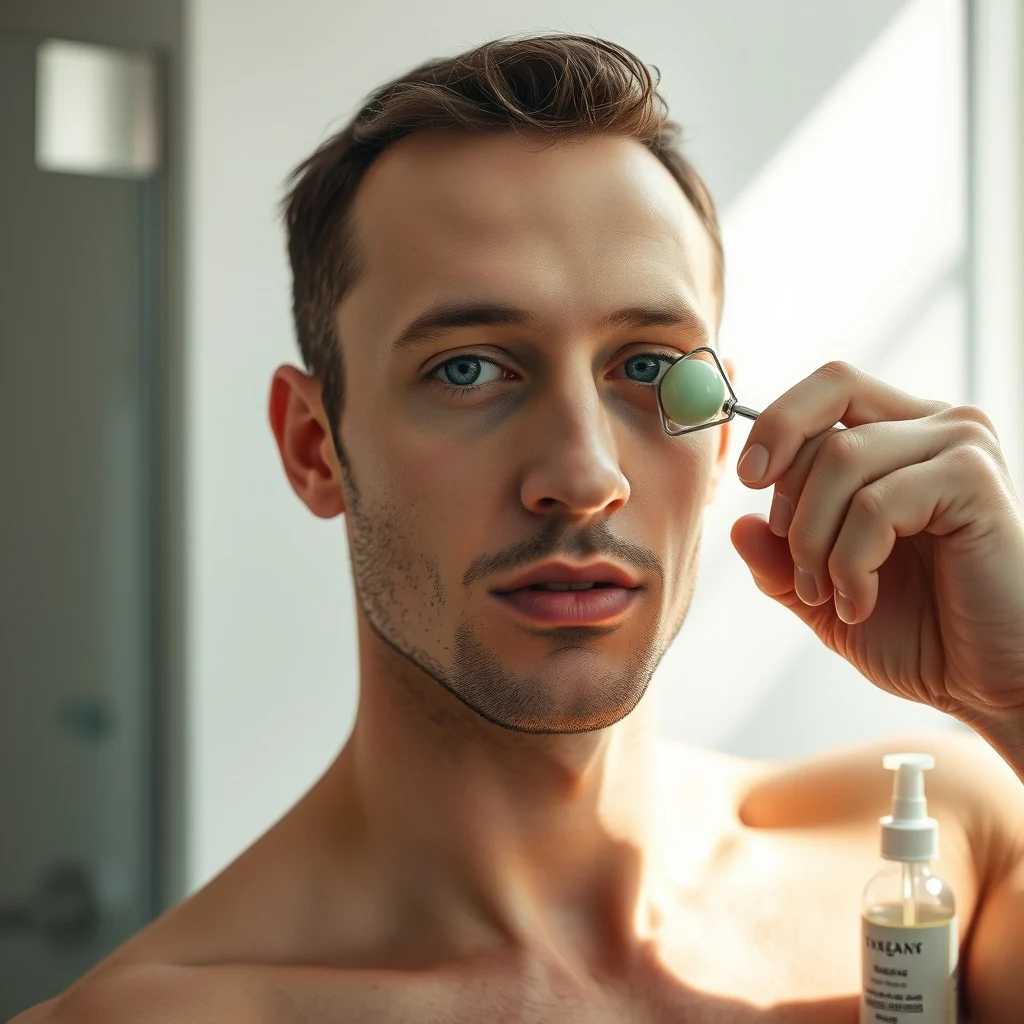
Ever wake up to skin that feels like sandpaper or reacts to even the gentlest grooming product? If your skin is dry and sensitive, the right ingredients can make all the difference—but choosing the wrong ones might leave you red, irritated, or worse, giving up entirely. The key lies in understanding how to build a **men’s grooming ingredients guide** tailored for dry and sensitive skin, focusing on soothing, strengthening, and protecting your skin barrier without overloading it.
Why Your Skin Needs a Barrier-First Approach
Dry and sensitive skin often struggles with compromised barriers, meaning it loses moisture quickly and reacts harshly to irritants. A barrier-first approach prioritizes ingredients that repair and fortify your skin’s natural defenses while minimizing potential triggers. Think of it as building a fortress around your skin—strong, resilient, and unyielding to daily stressors like pollution, harsh weather, or even aggressive grooming tools.
Start by identifying your skin’s specific needs. Dry skin craves hydration and emollients, while sensitive skin benefits from calming, anti-inflammatory actives. The goal is to create a routine that nourishes without clogging pores or causing irritation. Ingredients like ceramides, hyaluronic acid, and colloidal oatmeal are your best allies in this mission.
Essential Ingredients for Dry and Sensitive Skin
Not all grooming ingredients are created equal, especially when it comes to dry and sensitive skin. Look for **men’s grooming ingredients** that hydrate deeply, soothe irritation, and reinforce the skin’s natural moisture barrier. Ceramides, for instance, help lock in hydration and reduce water loss, while glycerin and squalane draw moisture into the skin. For sensitive skin, ingredients like panthenol (provitamin B5) and allantoin provide gentle yet effective soothing properties.
Another game-changer is niacinamide, a versatile ingredient that strengthens the skin barrier, reduces redness, and regulates oil production—making it ideal for those with both dryness and sensitivity. Avoid alcohol-based products, synthetic fragrances, and harsh exfoliants like physical scrubs, as these can exacerbate dryness and irritation. Instead, opt for gentle chemical exfoliants like lactic acid or mandelic acid, which dissolve dead skin cells without causing micro-tears.
How to Layer Ingredients for Maximum Effectiveness
Layering ingredients correctly ensures each one works synergistically to enhance your skin’s health. Begin with a hydrating cleanser that doesn’t strip your skin of its natural oils. Follow up with a toner or essence containing soothing ingredients like rose water or green tea extract to prep your skin for the next steps. Next, apply a serum or treatment with ceramides or niacinamide to repair and strengthen the barrier.
Moisturizing is where the real magic happens. For dry skin, opt for a rich, occlusive moisturizer with ingredients like shea butter or jojoba oil to seal in hydration. If your skin is sensitive, choose a lightweight, fragrance-free moisturizer with colloidal oatmeal or aloe vera to calm and protect. Finally, always use sunscreen during the day—even indoors—to prevent further damage from UV rays, which can worsen dryness and sensitivity.
Avoiding Common Pitfalls in Grooming Routines
Even the best-intentioned grooming routines can backfire if you’re not mindful of certain pitfalls. One of the biggest mistakes is over-exfoliating, which can strip your skin of its natural oils and leave it more prone to irritation. Limit exfoliation to 2–3 times a week and always follow up with a hydrating mask or moisturizer. Another common mistake is using products with alcohol or synthetic dyes, which can disrupt your skin’s pH balance and trigger sensitivity.
Pay attention to how your skin reacts to new products. If you notice redness, itching, or tightness, it’s a sign that the ingredient isn’t suitable for your skin type. Patch testing new products before full application can help you avoid unpleasant surprises. Additionally, avoid sharing grooming tools like razors or brushes, as bacteria and fungi can transfer and cause breakouts or infections.
When to Seek Professional Help
While a well-curated grooming routine can work wonders, some skin concerns may require professional intervention. If your dryness or sensitivity persists despite consistent at-home care, or if you develop persistent redness, scarring, or other concerning symptoms, it’s time to consult a dermatologist. They can provide tailored advice and treatments, such as prescription-strength moisturizers or gentle chemical peels, to address your specific needs.
Professional treatments can also help reset your skin’s barrier and introduce advanced actives that may not be available in over-the-counter products. For example, a dermatologist might recommend a hyaluronic acid filler injection to temporarily plump dry skin or a gentle laser treatment to improve texture and sensitivity. Always consult a professional before undergoing any in-office procedures to ensure safety and effectiveness.
Building a grooming routine that works for dry and sensitive skin is all about patience, observation, and the right ingredients. Start with a clean slate—strip away harsh products and replace them with barrier-repairing, hydrating, and soothing alternatives. Listen to your skin, adjust as needed, and don’t hesitate to seek professional guidance when necessary. With the right approach, you’ll be well on your way to healthier, happier skin that feels as good as it looks.
You may also like
-
Men’s Grooming Ingredients Guide: A Barrier-First Approach for Healthier Skin
-
Men’s Grooming Ingredients Guide: Step-by-Step for Flawless Skin
-
Men’s Grooming Ingredients Guide: A Budget-Friendly Routine for Flawless Skin
-
Men’s Grooming Ingredients Guide: A Barrier-First Approach for Lasting Skin Health
-
Men’s Grooming Ingredients Guide: Common Mistakes to Avoid for Healthier Skin