
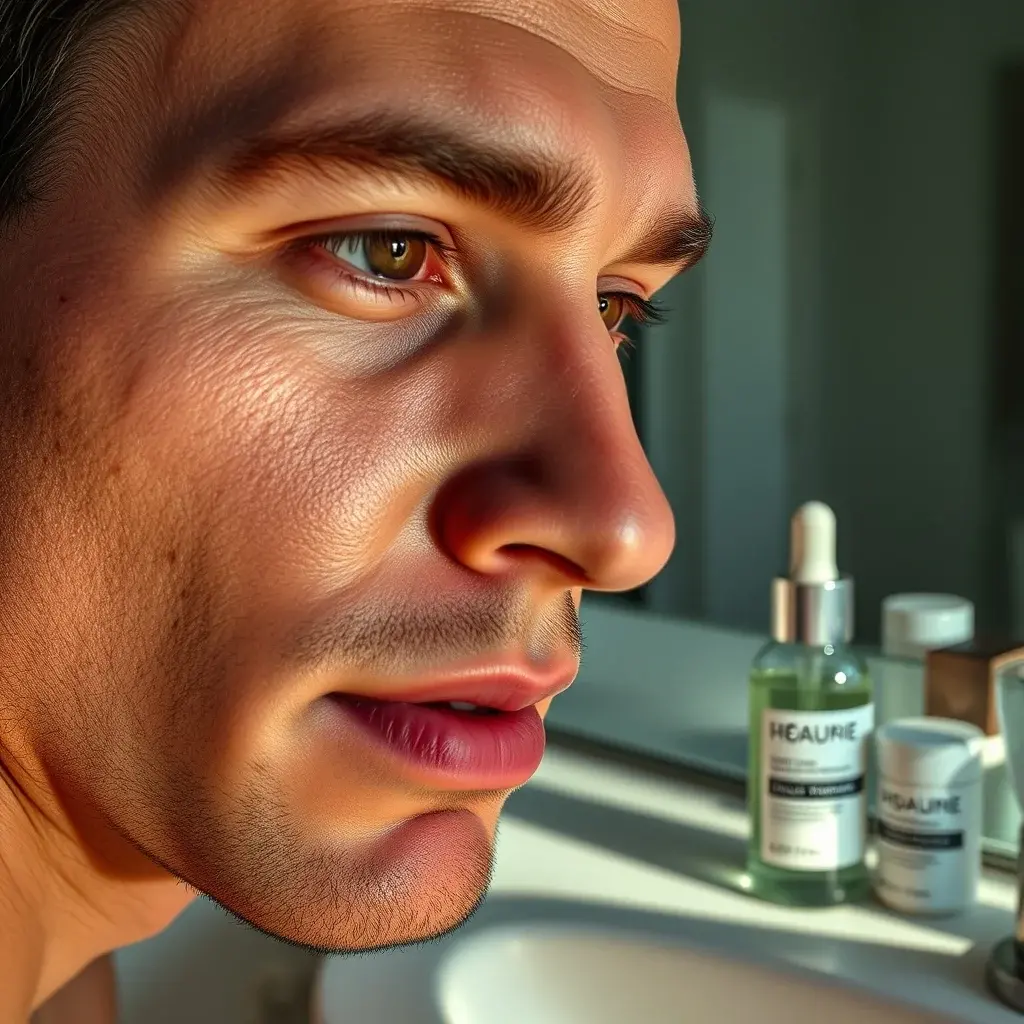
Struggling with redness, tightness, or irritation after your grooming routine? The problem might not be the products you’re using—it’s how they interact with your skin’s natural barrier. A men’s grooming ingredients guide that prioritizes skin health starts with understanding what your skin truly needs, not just what’s trending. The key lies in a barrier-first approach, where hydration, protection, and gentle actives work together to build resilience without overwhelming your skin.
Why Your Skin’s Barrier Matters More Than You Think
Your skin’s barrier is like a shield, locking in moisture and keeping out irritants. When it’s compromised—whether from harsh products, environmental stressors, or over-exfoliation—you’re left with sensitivity, breakouts, or that uncomfortable tight feeling. A barrier-first grooming routine focuses on repairing and maintaining this protective layer, so your skin stays balanced and less reactive.
Look for ingredients like ceramides, cholesterol, and fatty acids. These lipids mimic your skin’s natural structure, helping to restore its defenses. Even if you’re not dealing with dryness or sensitivity, strengthening your barrier can improve how your skin responds to other grooming products, from shaving creams to serums.
Hydration Without the Heavy Feel
Hydration doesn’t have to mean slathering on thick creams that leave a greasy residue. Lightweight humectants like hyaluronic acid and glycerin draw moisture into the skin without clogging pores. These ingredients are especially useful for men who prefer a minimal routine but still want to avoid that parched, flaky look.
Pair humectants with occlusives like squalane or jojoba oil to seal in moisture. This combo ensures hydration lasts longer, even in dry or air-conditioned environments. The result? Skin that feels supple and comfortable, not sticky or weighed down.
The Role of Gentle Exfoliation in Barrier Health
Exfoliation is essential for smooth skin, but overdoing it can damage your barrier. Physical scrubs with rough particles can cause micro-tears, while strong chemical exfoliants like high-percentage AHAs or BHAs might strip away too much of your skin’s protective layer.
Opt for mild exfoliants like lactic acid or PHA (polyhydroxy acids). These dissolve dead skin cells without the irritation associated with stronger acids. Using them 1-2 times a week is enough to keep your skin smooth while preserving its barrier function. Always follow up with a hydrating serum or moisturizer to replenish what’s been lost.
Soothing Ingredients for Post-Shave Calm
Shaving can be tough on your skin, especially if you’re prone to razor burn or ingrown hairs. A barrier-first approach means choosing post-shave products that calm and repair rather than just mask irritation. Ingredients like aloe vera, panthenol (pro-vitamin B5), and allantoin help reduce redness and inflammation while supporting your skin’s recovery.
Avoid alcohol-based aftershaves, which can dry out your skin and disrupt its barrier. Instead, reach for balms or toners with soothing botanicals like chamomile or green tea extract. These not only feel refreshing but also help strengthen your skin over time.
Building a Routine That Adapts to Your Skin’s Needs
A barrier-first routine isn’t one-size-fits-all. Your skin’s needs can change with the seasons, stress levels, or even your shaving frequency. Pay attention to how your skin feels—if it’s tight or flaky, it’s a sign to dial back on actives and focus on hydration and repair.
Start with a gentle cleanser, followed by a hydrating serum, and finish with a moisturizer that contains barrier-supporting ingredients. If you’re using actives like retinol or vitamin C, introduce them slowly to avoid overwhelming your skin. Consistency is key, but so is flexibility—adjust your routine as needed to keep your barrier strong.
When to Simplify (And When to Add More)
Less is often more when it comes to grooming. If your skin feels irritated or reactive, strip back your routine to the basics: cleanse, hydrate, protect. This gives your barrier a chance to recover without the added stress of multiple products.
On the other hand, if your skin is resilient and you want to target specific concerns like fine lines or uneven texture, you can gradually introduce actives. Just remember to layer them thoughtfully—start with the lightest textures (like serums) and finish with heavier creams or oils to lock everything in.
Your skin’s barrier is the foundation of a healthy grooming routine. By focusing on hydration, gentle exfoliation, and soothing ingredients, you can build a regimen that keeps your skin strong and comfortable. Start with one or two barrier-supporting products this week, and notice how your skin responds—you might be surprised by how much smoother and more resilient it feels. For more insights on skin health, explore resources from the American Academy of Dermatology.
You may also like
-
Men’s Grooming Ingredients Guide: Step-by-Step for Flawless Skin
-
Men’s Grooming Ingredients Guide: A Budget-Friendly Routine for Flawless Skin
-
Men’s Grooming Ingredients Guide: A Barrier-First Approach for Lasting Skin Health
-
Men’s Grooming Ingredients Guide: Common Mistakes to Avoid for Healthier Skin
-
Men’s Grooming Ingredients Guide: A Beginner’s Journey to Healthy Skin