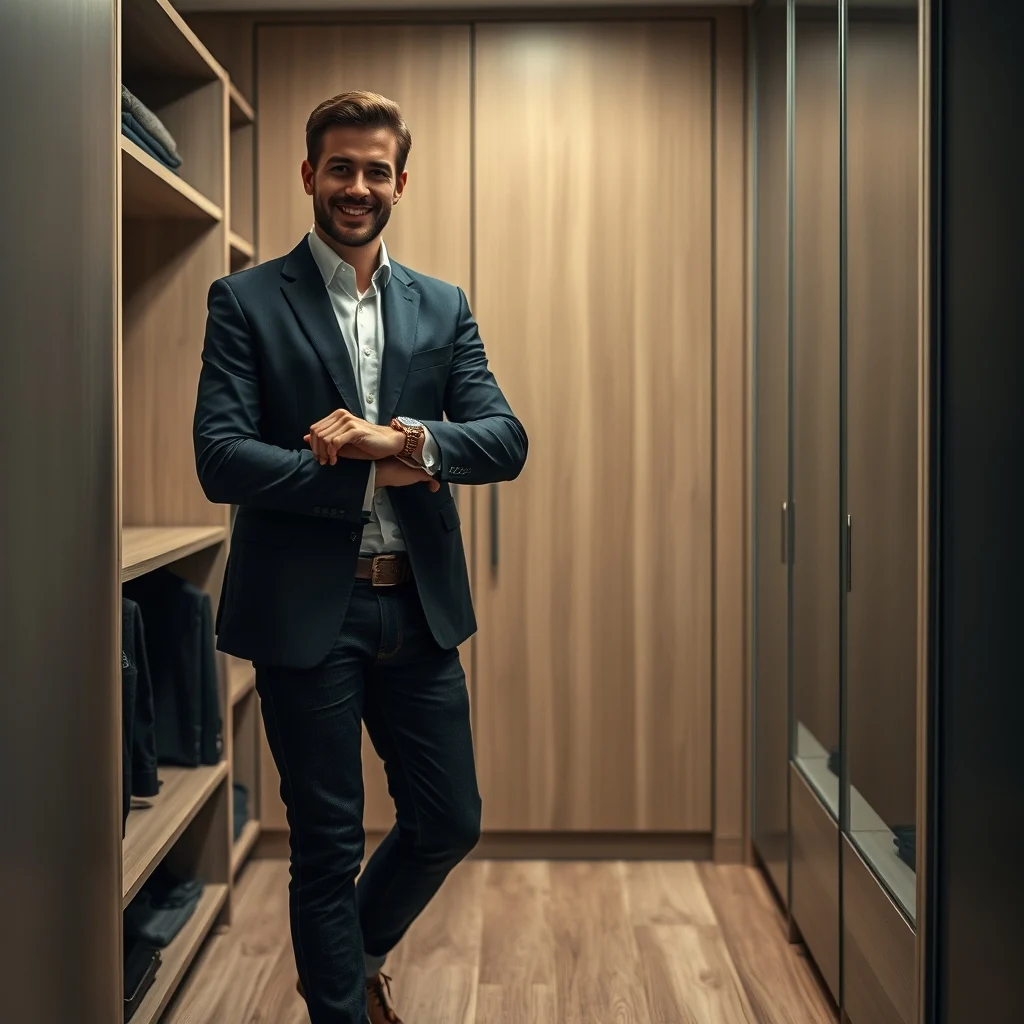
In 2024, men’s personal style has evolved beyond mere fashion trends into a strategic tool for self-expression, professional advancement, and social influence. A growing segment of men—spanning millennials to Gen Z professionals—are investing time and resources into curating wardrobes that align with their identities, career goals, and lifestyle demands. This shift reflects broader cultural movements toward authenticity, sustainability, and intentional living. The phenomenon is not confined to urban fashion hubs like New York or Milan; it has permeated suburban communities, remote workforces, and even conservative industries where dress codes once dictated uniformity. The driving forces include the rise of social media as a style arbiter, the normalization of remote work attire, and a post-pandemic reevaluation of personal values.
The Scope and Stakeholders of Modern Men’s Style
Men’s personal style today is a multifaceted ecosystem involving designers, retailers, psychologists, career coaches, and consumers themselves. Historically, men’s fashion was dominated by utilitarian needs—durability, functionality, and conformity. The 20th century introduced cycles of rebellion, from the Ivy League aesthetic of the 1950s to the grunge movement of the 1990s, but these were largely reactive rather than strategic. The 21st century, however, has seen a deliberate approach to wardrobe building, where clothing serves as a nonverbal extension of personal branding. Key stakeholders include:
- Consumers: Men aged 25–45, particularly those in creative, corporate, or hybrid work environments, who view style as a form of self-investment.
- Retailers: Brands like Uniqlo, Suitsupply, and Everlane, which prioritize versatility and sustainability, alongside luxury labels like Brunello Cucinelli, which emphasize craftsmanship.
- Industry Experts: Stylists, image consultants, and psychologists studying the correlation between attire and confidence.
- Media: Platforms like Instagram, TikTok, and Pinterest, which democratize style advice but also amplify pressure to conform to trends.
The modern approach to men’s style is less about fleeting trends and more about building a functional, adaptable wardrobe that reflects individuality while meeting practical needs. This philosophy is rooted in the concept of “capsule wardrobes,” popularized in the 2010s, which emphasizes quality over quantity. However, the 2020s have introduced nuance: men are now balancing minimalism with personal flair, sustainability with affordability, and professionalism with comfort.
Historical Context: From Conformity to Individuality
The evolution of men’s personal style can be traced through key cultural and economic shifts:
- 1920s–1950s: The rise of the “gentleman’s uniform”—tailored suits, polished shoes, and hats—reflected post-war prosperity and corporate conformity. Brands like Brooks Brothers and Savile Row tailors set the standard for professional attire.
- 1960s–1970s: Countercultural movements introduced casualwear into mainstream fashion. The Beatles’ collarless suits and hippie-inspired bohemian styles challenged traditional norms, while the disco era embraced bold colors and patterns.
- 1980s–1990s: Power dressing dominated the corporate world, with shoulder pads, double-breasted suits, and designer logos signaling status. Meanwhile, the grunge movement rejected opulence in favor of thrifted, distressed clothing, popularized by bands like Nirvana.
- 2000s–2010s: The rise of streetwear, spearheaded by brands like Supreme and Off-White, blurred the lines between high fashion and casualwear. The athleisure trend, driven by the popularity of brands like Lululemon and Nike, redefined comfort as a status symbol.
- 2020s: The pandemic accelerated the shift toward hybrid wardrobes, where men prioritize versatility. Remote work normalized casual attire, but the return to offices reintroduced the need for polished, adaptable outfits. Sustainability became a non-negotiable factor, with 62% of men under 35 reporting they prefer brands with ethical practices, according to a 2023 McKinsey & Company report.
How Intentional Wardrobe Building Works
Intentional wardrobe building is a systematic process that involves self-assessment, planning, and execution. The methodology varies among stylists and image consultants, but the core principles remain consistent:
- Self-Assessment: Identifying personal style preferences, lifestyle demands, and professional requirements. Tools like style quizzes or consultations with image experts help men articulate their aesthetic goals.
- Inventory Audit: Evaluating existing wardrobe items to identify gaps, redundancies, and pieces that no longer align with current needs. The average man owns 122 items of clothing but wears only 20% of them regularly, according to a 2022 ThredUp Resale Report.
- Color and Fit Analysis: Determining flattering colors and silhouettes based on skin tone, body type, and personal taste. Tailoring plays a critical role; a well-fitted garment can elevate a man’s appearance more than an expensive label.
- Strategic Shopping: Prioritizing quality, versatility, and sustainability. Men are increasingly investing in timeless staples—such as a navy blazer, white dress shirt, or dark denim—that can be mixed and matched for various occasions.
- Maintenance and Rotation: Implementing systems for clothing care, storage, and seasonal rotation to extend the lifespan of garments. The rise of rental services like Rent the Runway and The Black Tux reflects a growing preference for access over ownership.
“Intentional style is about editing your wardrobe to reflect who you are, not who you think you should be,” says Daniel Lee, a men’s image consultant based in London. “It’s a process of elimination as much as it is about acquisition. The goal is to create a cohesive visual identity that communicates confidence and clarity.”
Quantitative Impact: Data on Style and Success
Empirical data underscores the tangible benefits of intentional wardrobe building. Studies have demonstrated correlations between attire and professional outcomes, social perceptions, and even psychological well-being:
| Metric | Finding | Source |
|---|---|---|
| First Impressions | People form judgments about competence and trustworthiness within 7 seconds of meeting someone, with clothing accounting for 55% of that assessment. | Princeton University (2020) |
| Career Advancement | Men who dress in “business formal” attire are 25% more likely to be perceived as leadership material than those in casual clothing. | Harvard Business Review (2021) |
| Salary Negotiations | Job candidates who wear tailored suits during interviews receive salary offers 10–15% higher than those in ill-fitting or casual attire. | Journal of Applied Psychology (2019) |
| Confidence Levels | 87% of men report feeling more confident when wearing clothes that align with their personal style, according to a 2023 survey by Men’s Health. | Men’s Health (2023) |
| Sustainability | The global menswear market is projected to reach $575 billion by 2025, with sustainable fashion accounting for 30% of sales, up from 18% in 2020. | Statista (2023) |
“Clothing is a form of nonverbal communication,” explains Dr. Karen Pine, a professor of psychology at the University of Hertfordshire. “When men dress intentionally, they signal self-respect and situational awareness. This, in turn, influences how others perceive and interact with them.”
Systemic Impacts: Style as a Cultural and Economic Force
The ripple effects of men’s intentional style extend beyond individual benefits. The fashion industry, historically focused on women’s wear, has increasingly catered to male consumers, with menswear sales growing at twice the rate of womenswear since 2020. This shift has prompted brands to innovate in areas like:
- Sustainability: Brands like Patagonia and Outerknown have pioneered eco-friendly materials, while resale platforms like Grailed and Depop cater to men seeking secondhand luxury items.
- Inclusivity: The rise of gender-neutral fashion, championed by brands like Telfar and Phlemuns, reflects a broader rejection of traditional masculinity norms. In 2023, 42% of Gen Z men reported purchasing gender-neutral clothing, per a report by Business of Fashion.
- Technology: Virtual styling tools, AI-driven fit recommendations, and augmented reality try-ons have made personal style more accessible. Apps like StyleDNA and Dressika use algorithms to suggest outfits based on body type and personal preferences.
- Workplace Culture: Companies are revisiting dress codes to accommodate hybrid work models. A 2023 survey by Gartner found that 68% of organizations have relaxed formal dress policies, but 45% still expect employees to maintain a “professional appearance.”
“The modern man’s wardrobe is a reflection of his values,” says Michael Ferraro, CEO of a New York-based men’s fashion consultancy. “Brands that fail to align with those values—whether it’s sustainability, inclusivity, or versatility—risk becoming irrelevant.”
Competing Perspectives: The Debate Over Intentional Style
While the benefits of intentional wardrobe building are well-documented, the movement is not without its critics. Perspectives vary among stakeholders:
- Proponents: Stylists and psychologists argue that intentional style fosters confidence, professional success, and personal authenticity. “Your wardrobe is your armor,” says Lee. “It should empower you, not constrain you.”
- Skeptics: Some men view the emphasis on style as superficial or elitist. Critics argue that the pressure to curate a perfect wardrobe can be stressful and financially burdensome. A 2023 survey by YouGov found that 34% of men feel overwhelmed by fashion trends.
- Industry Insiders: Retailers and designers acknowledge the demand for intentional style but caution against overcommercialization. “The challenge is balancing personal expression with mass appeal,” says Ferraro. “Not every man wants a capsule wardrobe; some prefer variety, and that’s okay.”
- Cultural Commentators: Sociologists note that the focus on personal style can reinforce class divides. “Fashion has always been a marker of social status,” says Dr. Elizabeth Currid-Halkett, author of The Sum of Small Things: A Theory of the Aspirational Class. “Intentional style risks becoming another way to signal privilege.”
The tension between these perspectives highlights the complexity of modern men’s style. While intentional wardrobe building offers undeniable benefits, its adoption is not universal. Factors like socioeconomic status, cultural background, and personal priorities influence how men engage with fashion.
The trajectory of men’s personal style in the coming years will depend on several variables. The continued normalization of remote work may further blur the lines between casual and professional attire, while advancements in sustainable fashion could make intentional wardrobe building more accessible. Regulatory pressures, such as the European Union’s proposed ban on fast fashion by 2030, may also reshape consumer behavior. Meanwhile, the rise of AI-driven styling tools could democratize personal style, making expert advice available to a broader audience. The challenge for men—and the industry—will be to navigate these changes without losing sight of the core principle: style as a tool for self-expression, not conformity.
You may also like
-
The Multidimensional Framework of **Precision Mens Haircut**: A Data-Driven Analysis of Artistry, Industry Evolution, and Consumer Demand in 2024
-
The Systematic Advancement of Premium Barbering Tools: A Multidimensional Analysis of Innovation, Industry Standards, and Consumer Demand
-
The Groomed Mind: Behavioral Science, Societal Feedback, and the Strategic Calibration of Men’s Confidence and Presentation Across Contexts
-
The Comprehensive Framework of **Alpha Grooming Rituals**: Industry Standards, Technological Integration, and the Cultural Shift Toward Masculine Self-Care in 2024
-
The Strategic Blueprint of Men’s Wardrobe Intentionality: A Multidimensional Analysis of Style, Confidence, and Societal Perception in Modern Contexts